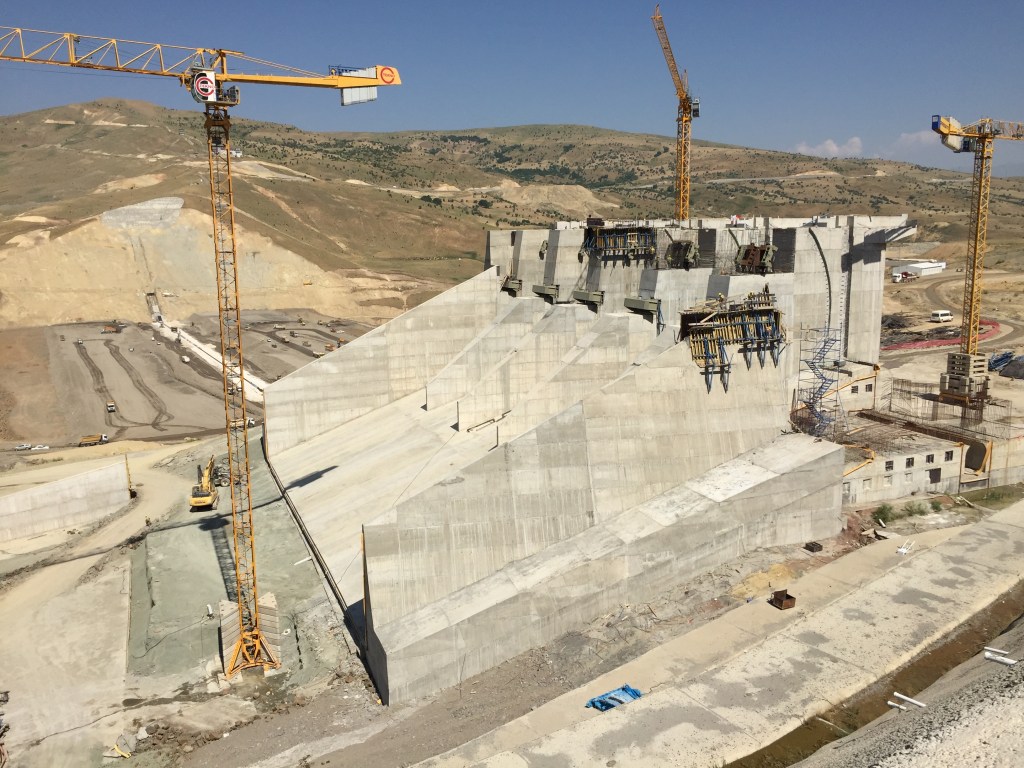
Environmental and social due diligence (ESDD) is the point at which a lender or investor decides whether a hydropower project’s environmental and social risks are understood, manageable and acceptable. Done well, it gives a credit committee confidence and gives the sponsor a clear, achievable plan. Done badly, it produces a long list of generic findings that delay financial close without making the project any better.
This guide explains what a hydropower ESDD covers, the standards it uses, the issues that matter most for dams and rivers, and how sponsors and lenders can get the most from the process.
What ESDD is, and what it is not
ESDD is an independent review of whether a project’s environmental and social risks and impacts have been properly identified, assessed and managed against the standards the financiers apply. It tests the quality of the work that has already been done, principally the environmental and social impact assessment (ESIA) and the management plans that follow from it.
It is not a new ESIA. The due diligence consultant should not be re-doing baseline surveys. Where information is missing, the job is to say so clearly, explain why it matters and set out what needs to happen, and by when.
The standards
Most international hydropower financings are assessed against the IFC Performance Standards on Environmental and Social Sustainability, together with the World Bank Group Environmental, Health and Safety (EHS) Guidelines. Commercial banks that have adopted the Equator Principles apply the same framework. Development finance institutions add their own requirements, such as the World Bank Environmental and Social Framework, the AfDB Integrated Safeguards System, the EBRD Performance Requirements or the ADB Safeguard Policy Statement.
For projects seeking certified green or climate bonds, the Hydropower Sustainability Standard is also relevant, because the Climate Bonds Standard uses it as its hydropower criteria.
The issues that matter most in hydropower
Generic ESDD checklists rarely reflect what actually determines whether a hydropower project is financeable. In our experience, the following deserve the closest attention:
- Downstream flows. How the operating regime will change flows, and what that means for ecology, fisheries, water users and livelihoods downstream, often well beyond the area assessed in the ESIA.
- Sediment and water quality. Reservoir sedimentation, sediment starvation downstream, and water quality in deep or stratified reservoirs.
- Aquatic biodiversity and critical habitat. Rivers frequently support species that trigger critical habitat under Performance Standard 6, with demanding requirements for net gain.
- Land acquisition and livelihoods. Physical and economic displacement in the reservoir and along access roads and transmission lines, and the quality of livelihood restoration under Performance Standard 5.
- Indigenous peoples. Whether Performance Standard 7 applies and, where it does, whether free, prior and informed consent is required.
- Dam and community safety. Dam safety arrangements, emergency preparedness and the safety of downstream communities.
- Labour and contractors. Large construction workforces, worker accommodation and the EPC contractor’s ability to manage environmental and social risks.
- Cumulative and transboundary impacts. Cascades and shared rivers, where the effects of one project cannot be understood in isolation.
How the process works
- Scoping and information request. Agreeing the standards, scope and timetable, and requesting the ESIA, management plans, permits and records of consultation.
- Document review. A structured review of each Performance Standard, focusing on the issues above.
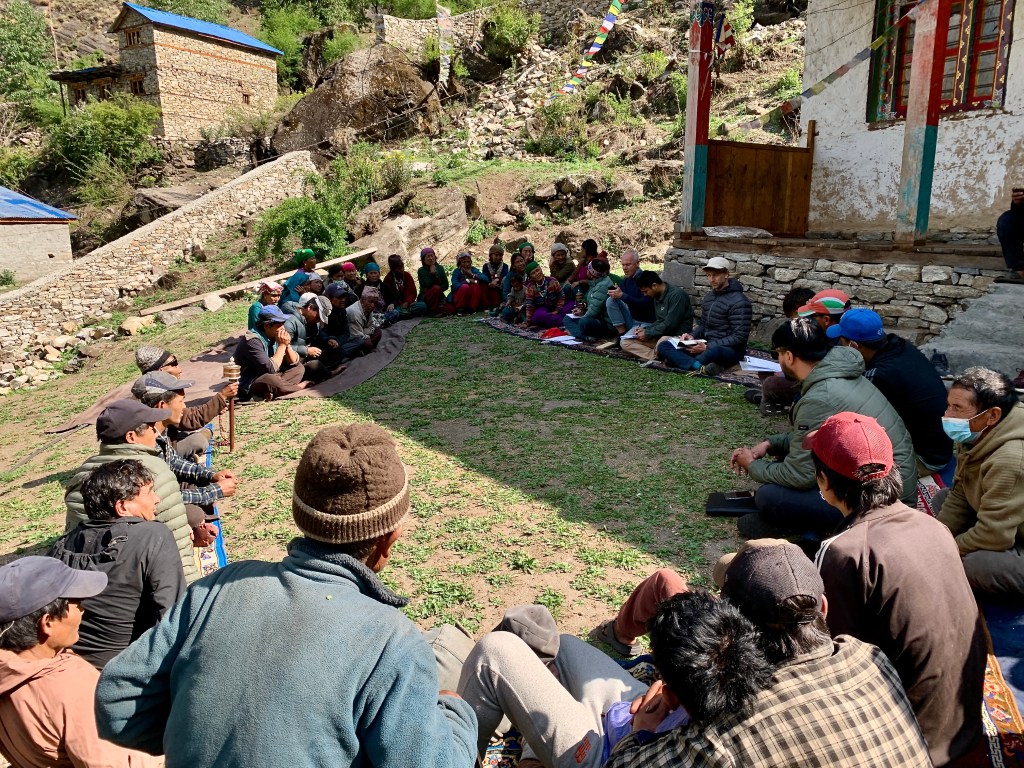
- Site visit. Inspection of the site and interviews with the sponsor, the contractor, regulators, affected communities and NGOs.
- Gap analysis. Findings ranked by significance, separating what the lenders genuinely require from what would merely be good to have.
- Action plan. An Environmental and Social Action Plan (ESAP) that becomes part of the finance documents.
- Reporting. A report and executive summary written for credit and investment committees.
What makes a good action plan
The ESAP is the most important output of the due diligence, because it is what the sponsor will actually be held to. A good one is short, specific and deliverable. Each action has an owner, a deadline linked to the project schedule, and a clear description of the evidence that will show it is complete. Actions that must be finished before financial close or first disbursement are separated from those that can follow during construction.
Common gaps in hydropower ESIAs
- An area of influence drawn too tightly, missing downstream impacts
- Aquatic baseline data from a single season, or none at all for key species
- Associated facilities, such as transmission lines, access roads and quarries, left out of the assessment
- Livelihood restoration that is described but not costed or scheduled
- Weak records of stakeholder engagement and grievance management
- Contractor management plans that are not ready when construction is about to start
Most of these can be fixed, but they take time. Sponsors who commission an independent gap analysis before formal due diligence usually reach financial close faster and with fewer conditions.
How we can help
Confluentia provides environmental and social due diligence and lender advisory for hydropower and pumped storage, and supports developers preparing for it. See our track record or get in touch to discuss a project.

