ESDD and lender advisory
Environmental and social due diligence for hydropower
Independent environmental and social due diligence (ESDD) for lenders and investors in hydropower and pumped storage. We assess projects against the IFC Performance Standards and development bank safeguards, and set out clearly what the sponsor must do to meet them.
We act as lender’s independent environmental and social advisor from first review through financial close, construction and operation.
What it includes
A due diligence process lenders can rely on
Every ESDD is led by a senior hydropower specialist, so the questions that matter for dams, reservoirs and rivers are asked from the start rather than discovered late.
Document review
The ESIA, resettlement and livelihood restoration plans, biodiversity and critical habitat studies, stakeholder engagement plan, management systems and permits.
Site visit and interviews
Inspection of the site and interviews with the sponsor, the EPC contractor, regulators, affected communities and NGOs.
Gap analysis
Findings against each IFC Performance Standard, the World Bank Group EHS Guidelines and the lender’s own safeguards, ranked by significance.
Action plan
An Environmental and Social Action Plan with specific, time-bound actions, owners and completion evidence, ready for the finance documents.
Reporting
A due diligence report and executive summary written for credit and investment committees, with the risks explained in plain terms.
Continuity
The same team can follow the project through construction and into operation, so findings are tracked rather than rediscovered.
When you need it
Common triggers for hydropower ESDD
- Project finance from development finance institutions, export credit agencies or Equator Principles banks
- Acquisition of an operating hydropower asset or a development-stage project
- Refinancing, or bond issuance including green and climate bonds
- Preparing a project for investment committee approval
- Checking an existing ESIA against lender requirements before formal due diligence begins
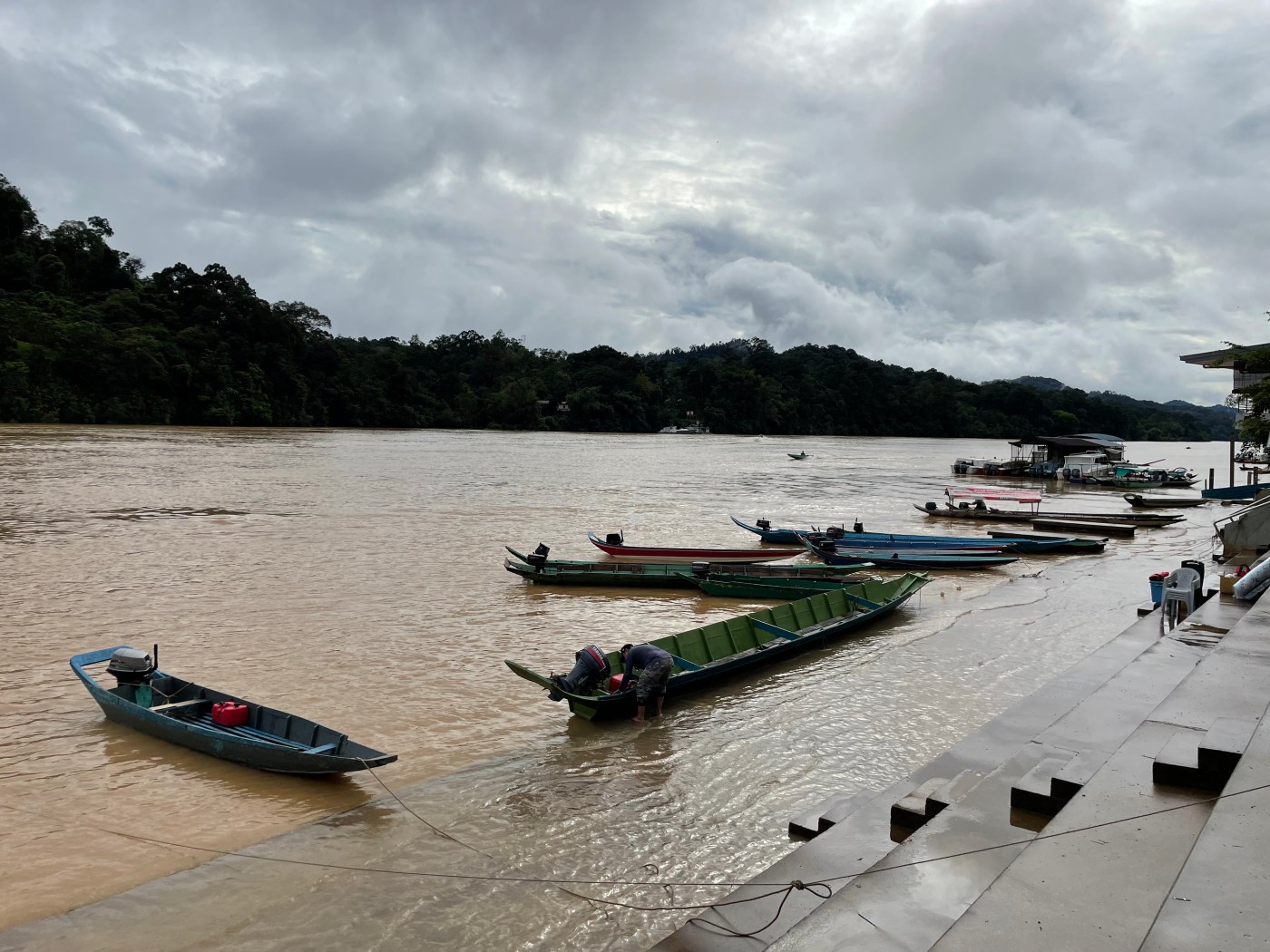
Field visit, Malaysia
Our approach
Proportionate and specific
We separate what lenders will genuinely require from what would merely be good to have, and write actions a sponsor can deliver within the project schedule.
Our findings are specific to hydropower: downstream flows, sediment, reservoir water quality, fish passage, resettlement, dam safety and cumulative impacts on shared rivers.
Standards
What we assess against
- IFC Performance Standards 1 to 8 and the World Bank Group EHS Guidelines
- The Equator Principles
- World Bank Environmental and Social Framework
- AfDB Integrated Safeguards System, EBRD Performance Requirements and ADB Safeguard Policy Statement
- The Hydropower Sustainability Standard, where it is required for green or climate bond certification
Relevant experience
Hydropower ESDD and lender advisory
Sahofika HPP, Madagascar
192 MW and 130 km transmission line · AfDB
ESDD and lender’s technical advisor against the IFC Performance Standards and AfDB safeguards.
Alpaslan 2 HPP, Türkiye
280 MW · MUFG for a lender consortium
Lender’s advisor from review through financial close, construction, commissioning and operation, with an action plan addressing IFC PS non-conformances.
Baynes HPP, Angola/Namibia
Transboundary, Kunene River · SMEC
ESDD to the IFC Performance Standards, including review of the ESIAs, resettlement action plans and stakeholder engagement.
Further ESDD and lender advisory work includes Ngoulmendjim and Kinguele (Gabon), Seli (Sierra Leone), and Nenskra and Khobi (Georgia).
Next step
Planning a hydropower financing?
Tell us about the project, the lenders involved and your timetable. We’ll explain what an ESDD would cover and what it is likely to focus on.

