Impact assessment
Environmental and social impact assessment for hydropower
We manage and write environmental and social impact assessments (ESIAs) for hydropower that satisfy national regulators and international lenders at the same time, and we review existing ESIAs to close the gaps before due diligence.
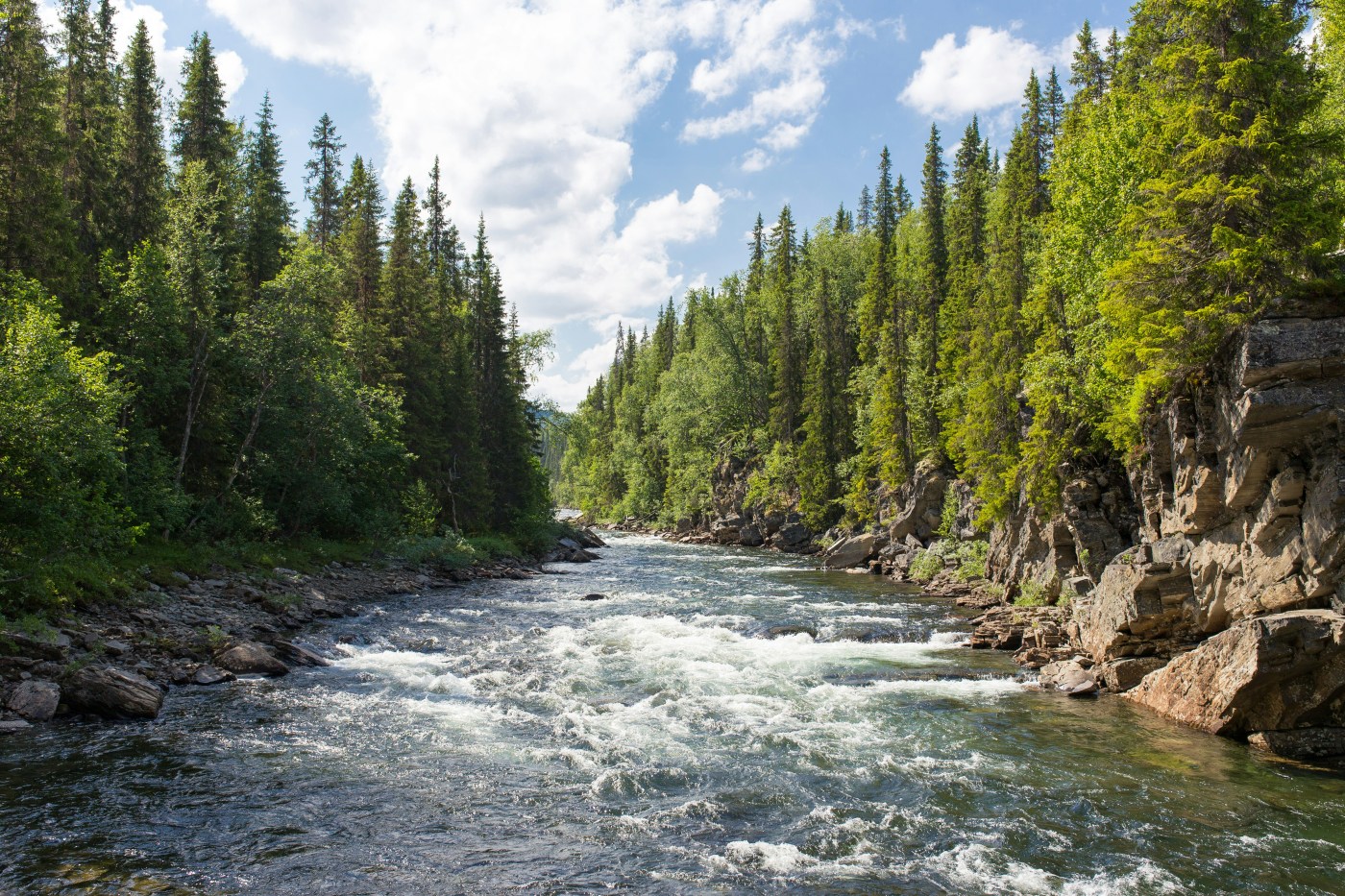
Our specialist chapters cover the river itself: hydrology, sediment, water quality and the downstream flow regime.
What it includes
From scoping to a lender-ready report
We plan each ESIA around what both the national authority and the lenders will need, so the work is done once rather than repeated for financing.
Scoping and terms of reference
Defining the area of influence, the alternatives to be assessed and the baseline studies needed, with terms of reference for specialists.
Baseline programme
Managing survey teams and local consultants, and guiding the consultation strategy with affected communities and authorities.
River and reservoir
Hydrology, hydrogeomorphology, sediment and water quality, and the effects of the operating regime on the river downstream.
Alternatives and project description
A clear description of the project and a structured analysis of alternatives, including siting, design and operation.
Cumulative and critical habitat
Cumulative impact assessment for cascades and transmission lines, and critical habitat assessment under IFC Performance Standard 6.
Review and addenda
Gap analysis of an existing ESIA, and supplementary studies or an addendum that bring a national EIA up to lender standard.
When you need it
When an ESIA or ESIA review is needed
- A greenfield hydropower or pumped storage project seeking international finance
- A national EIA has been approved, but lenders require assessment to the IFC Performance Standards
- A significant design change, such as an extension, a new transmission line or a floating solar component
- A cascade or shared river where cumulative impacts must be assessed
- Before ESDD, to identify and close gaps while there is still time to act
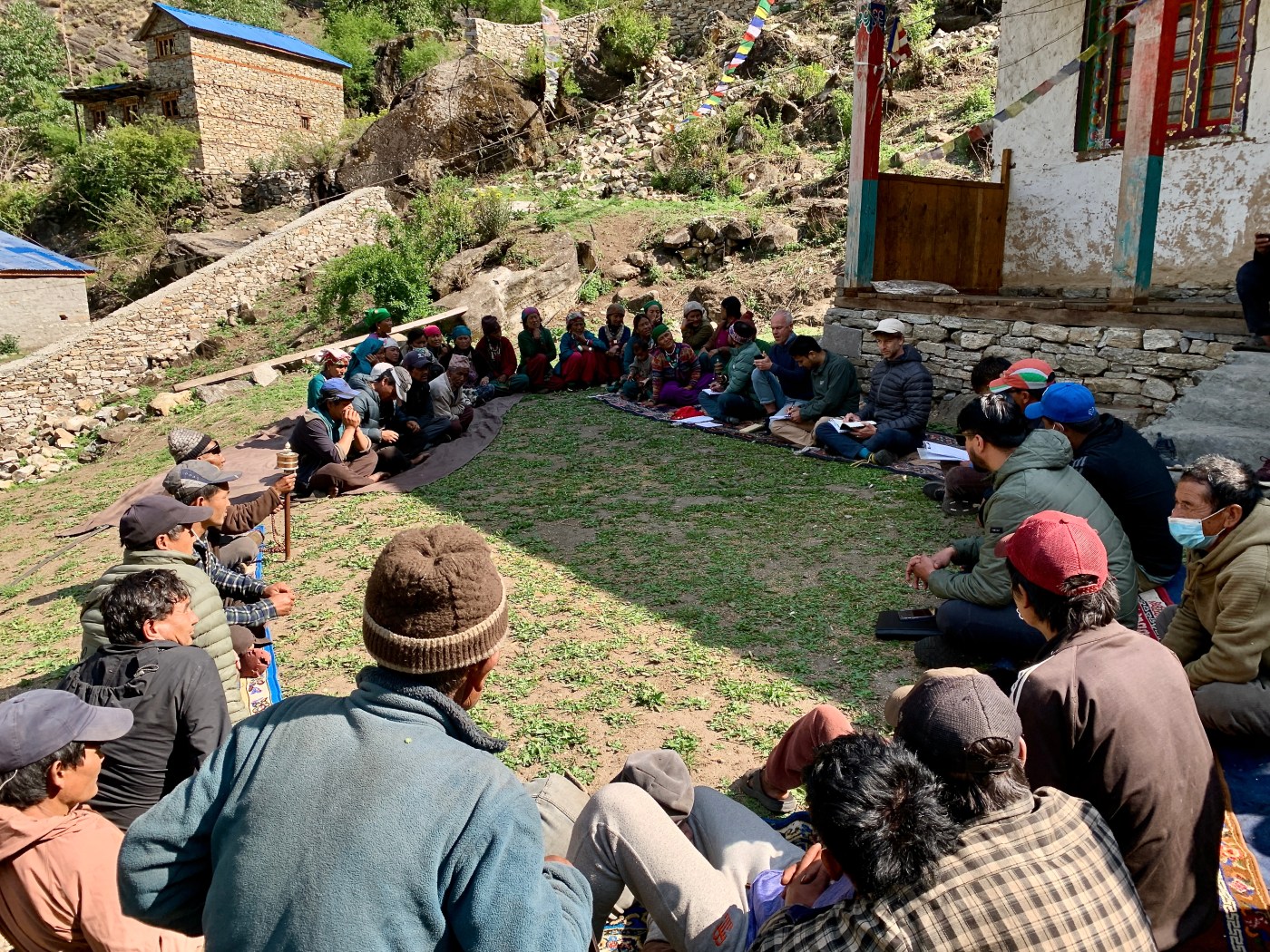
Community consultation, Nepal
Our approach
Lender-ready from the start
We write ESIAs that national regulators can approve and lenders can rely on, avoiding a second round of studies at financing.
We translate specialist findings into a concise report that decision-makers can actually use.
Standards
What we assess against
- National environmental impact assessment law and regulations
- IFC Performance Standards and the World Bank Group EHS Guidelines
- World Bank Environmental and Social Framework and other development bank safeguards
- IFC good practice guidance on cumulative impact assessment
Relevant experience
Hydropower ESIA experience
Pavua HPP, Mozambique
120 MW greenfield dam · EleQtra
ESIA project manager to Mozambican law and the IFC PS; author of the water, alternatives and cumulative impact chapters.
Tarbela 5th Extension, Pakistan
World Bank financed · WAPDA
ESIA with cumulative impact assessment for the transmission line, and an ESIA for a 325 MW floating solar component.
Neretvica HPPs, Bosnia and Herzegovina
Cascade of 15 small HPPs · EBRD
Managed the ESIA and critical habitat assessment, and drafted key sections.
Further ESIA work includes Mpatamanga (Malawi, for IFC) and Jilamito (Honduras).
Next step
Starting an ESIA?
Tell us about the project, its stage and the lenders you expect to approach. We’ll suggest how to scope the ESIA so it meets both sets of requirements.

