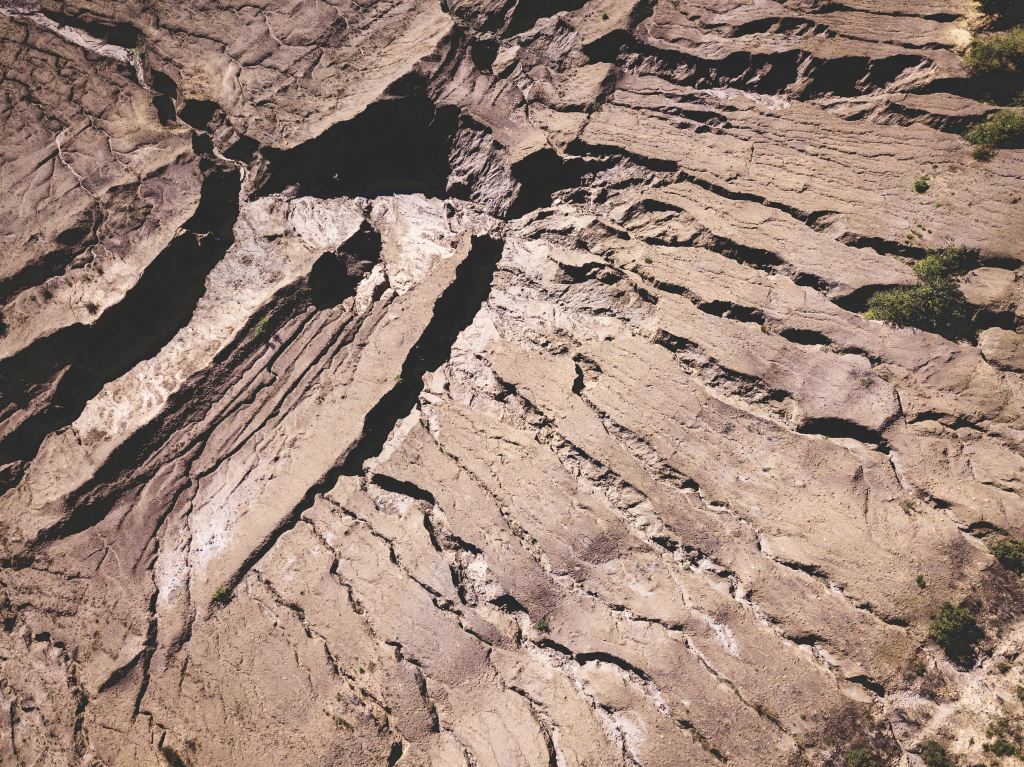
Hydropower projects can have significant impacts on erosion and sedimentation processes in watersheds. However, with careful planning and management, these impacts can be avoided, minimised and mitigated. This post outlines various strategies to manage erosion and sedimentation related to hydropower projects, aligned with best practices such as the Hydropower Sustainability Standard.
Sediment Bypass Systems
One strategy is to install sediment bypass systems to route sediment around reservoirs. This prevents sediment from accumulating in the reservoir and avoids the need for costly sediment removal later. Common bypass systems include:
- Flood Bypass Tunnels and Channels: Tunnels or open channels that divert flood flows with high sediment loads around reservoirs. This allows clear water storage for power generation while preventing reservoir sedimentation.
- Off-Stream Reservoirs: Store clear water pumped from rivers while sediment-laden floodwaters continue naturally downstream. More expensive but maximizes power potential and avoids sediment management in reservoirs.
Sediment Pass-Through Systems
Another strategy is allowing sediments to pass through the dam and reservoirs. This balances upstream erosion and downstream sedimentation. Methods include:
- Sluicing: Opening low-level dam gates during floods to flush incoming sediments through reservoirs. This requires adequate downstream channel capacity.
- Density Current Venting: Allowing turbid floodwater inflows to plunge to depths where they form low level density currents that pass through the reservoir to downstream areas.
Sediment Removal and Control
When sediment bypass is not feasible, removal and control methods can be applied:
- Flushing: Releasing clear water from lower reservoir levels to flush accumulated sediments through bottom outlets and downstream.
- Headworks Drainage System: Install drainage pipes and sumps in waterways at run-of-river dam sites to prevent sediment accumulation.
- Construction Drainage and Erosion Control: Ensure drainage channels, settlement ponds, revegetation etc. are in place around construction sites and access roads to minimize erosion.
- In-Stream Diversion Design: Properly design temporary river diversions during construction to avoid erosion of the stream bed and banks.
- Watershed Management: Control erosion in the catchment area through forest conservation, terracing on slopes etc. to limit sediment inflows.
Reservoir Sediment Management
For existing reservoirs with substantial sediment volumes, options include:
- Dredging: Excavate deposited sediment, usually by hydraulic or mechanical dredgers. Effective but very expensive.
- Redistributing Sediment: Redeposit sediments at other locations in the reservoir to maintain storage capacity.
- Dry Excavation: Remove sediments after draining the reservoir. Requires significant water storage loss.
- Raising Reservoir Level: Counteract loss of capacity by increasing operating water levels. Not possible in most locations.
- Adaptive Strategies: Develop sediment management approaches able to adjust based on changing sedimentation rates and patterns.
Reservoir Rim and Riverbank Protection
Operating rules for reservoir water levels can be designed to avoid rapid drawdown and expose rim sediments to erosion. Riverbanks downstream can also be stabilised through riprap, retaining walls, vegetation buffers etc. to prevent erosion from fluctuating dam releases.
Conclusion
With multiple options available, erosion and sedimentation impacts of hydropower projects can be effectively managed under most conditions. Careful assessment and planning is needed to select appropriate strategies based on feasibility, cost-effectiveness and sustainability factors aligned with initiatives such as the Hydropower Sustainability Standards. A balanced approach helps maximise energy production while preserving watershed health over the long term.
 Confluentia Consulting